Doodle Frames: Graphics and Illustrations for Creative Projects
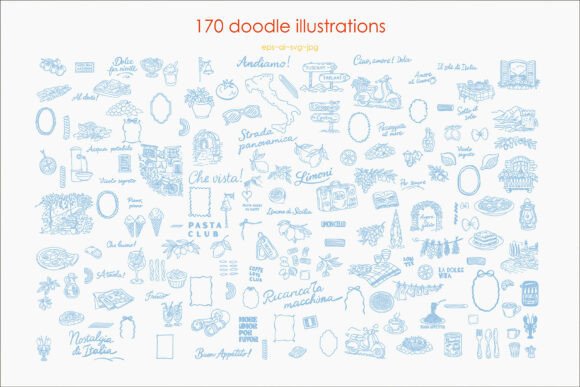
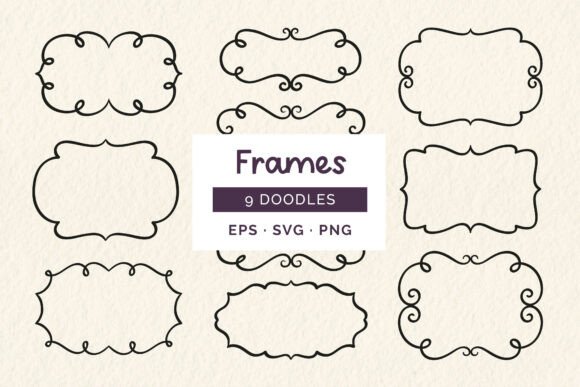
As a designer who regularly works on branding, packaging, and social media graphics, I always look for high-quality design assets that can elevate a project without overwhelming it. Doodle Frames caught my attention with its charming hand-drawn aesthetic and versatile vector format. This collection of cute hand-drawn frames and calligraphic elements with a pink background offers a playful yet polished visual language that could be a valuable addition to many creative projects.
First Impressions: A Playful and Whimsical Mood
The first thing I noticed about Doodle Frames is the mood it creates. The soft, hand-drawn lines and pastel pink background evoke a sense of warmth, nostalgia, and creativity. It feels like something you’d find in a handmade boutique or a whimsical children’s book. This style would naturally fit a small business branding project, an Etsy shop, or a seasonal campaign aimed at a younger, more expressive audience.
The frames and calligraphic elements are not overly complex, which makes them easy to integrate into a variety of designs. They feel like they belong in a handmade or artisanal context, making them ideal for a brand that wants to communicate authenticity and personality.
Real-World Applications: From Brand Identity to Social Media Graphics
In a real client project, Doodle Frames could serve as a strong visual anchor. For example, if I were designing a brand identity for a small, eco-friendly stationery company, these frames could be used as decorative accents on product labels, packaging, or even as part of a logo concept. Their hand-drawn nature adds a personal touch that can make a brand feel more approachable and human.
These illustrations also work well in digital spaces. Whether it’s a Canva template, a Pinterest pin, or a social media post, Doodle Frames can add a unique flair that stands out from more generic design elements. They’re especially useful for printable designs, such as stickers, wall art, or greeting cards, where the visual appeal is key.
For t-shirt designs, tote bags, or mugs, the frames could act as a subtle but eye-catching detail. They might be used as borders, accents, or even as part of a larger pattern. Their vector format ensures they scale cleanly without losing quality, which is essential for print-on-demand applications.
Best Uses: Large Layouts, Decorative Accents, and Themed Campaigns
Doodle Frames shines when used in large layout areas or as decorative accents. They can be the centerpiece of a hero graphic, a product mockup, or a themed collection. Their soft, flowing lines complement both modern and vintage design styles, making them adaptable to a wide range of creative directions.
They’re also great for packaging design, where a little extra visual interest can make a product stand out on the shelf. In editorial design or web design, they can break up text and add a touch of personality to otherwise clean layouts.
Uses to Avoid: Minimalist Branding and Professional Corporate Work
While Doodle Frames have a lot to offer, they may not be the best choice for every project. In minimalist branding or professional corporate materials, their playful nature could clash with the desired tone. Similarly, in low-contrast or crowded layouts, they might become distracting rather than enhancing the overall composition.
If a client is aiming for a sleek, modern look, these frames could feel out of place. It’s important to consider the brand’s voice and target audience before incorporating them into a design.
Design Considerations: Readability, Hierarchy, and Visual Trust
One of the most important aspects of any design asset is how it affects readability and visual hierarchy. Doodle Frames, while beautiful, should be used strategically so they don’t interfere with the main message of a design. They work best as supporting elements rather than the focal point.
For a brand identity project, consistency is key. If the frames are used across multiple touchpoints—such as social media, packaging, and marketing visuals—they need to maintain a cohesive look. This helps build visual trust and recognition among the audience.
Emotionally, these illustrations can create a positive association with a brand. Their cute and friendly appearance can increase audience engagement, especially in campaigns targeting younger demographics or niche markets.
Practical Designer Notes: Testing and File Formats
Before using Doodle Frames for a client project, I recommend testing them in different contexts. Try placing them on black and white backgrounds to see how they hold up. Check how they look on light and dark surfaces, and preview them at various sizes to ensure they remain clear and legible.
If the file includes PNG transparency, make sure it works as expected. For SVG or vector files, confirm that they are editable and compatible with common design software. Comparing them with different font styles—like serif, sans serif, or script fonts—can help determine how they interact visually.
Finally, always verify the commercial license before using the design asset for a client or business project. This ensures that the rights are clear and that there are no legal issues down the line.
Conclusion: A Versatile Asset for the Right Project
Doodle Frames is a creative design that can bring charm and character to a variety of projects. Its hand-drawn aesthetic and vector format make it suitable for both digital and print applications. However, it’s important to use it thoughtfully and in the right context.
For small business branding, handmade products, or seasonal campaigns, this design asset can be a valuable tool. It adds a personal, artistic touch that can help a brand stand out in a competitive market. As long as it’s used with care and consideration, Doodle Frames can contribute to a more engaging and visually appealing design outcome.